Practical guide
Packshot, Lifestyle, Editorial, or UGC-Inspired? Choose the Right Product Image Direction
Compare four product-image directions by communication job, trust risk, production needs, channel fit, and what AI can safely prototype.
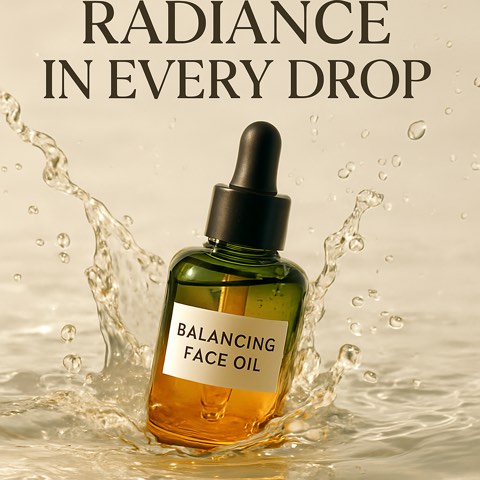
The central idea
Different product-image directions solve different questions. Packshots explain the object, lifestyle frames explain use, editorial images build cultural meaning, and UGC-inspired concepts suggest lived context. Choose the job before choosing the style.
A repeatable workflow
Name the customer question
Decide whether the image must explain what it is, how it fits life, what it represents, or why it feels credible.
Match the direction
Choose packshot, lifestyle, editorial, or UGC-inspired based on that question and the destination channel.
Prototype the world
Generate environment, composition, light, and emotional tone while using a fictional or clearly provisional object.
Plan final production
Specify real photography, compositing, permission, copy, accessibility, and legal review required for the chosen direction.
Worked example
A compact desk light may need a clear real packshot for the product page, a lifestyle frame showing a small workspace, an editorial campaign that dramatizes focus, and a creator-style demonstration. One image cannot do every job equally well.
Review checklist
- The customer question is explicit
- The channel matches the direction
- AI is used for safe prototyping
- Final asset requirements are documented
Limitations
- UGC-inspired does not mean fabricating a customer endorsement
- Editorial beauty can hide essential product information