Practical guide
Creative Fatigue Is a Systems Problem: Build Variations Without Making Random Ads
Plan useful refreshes across message, hook, format, and audience without changing everything at once or generating random extra files.
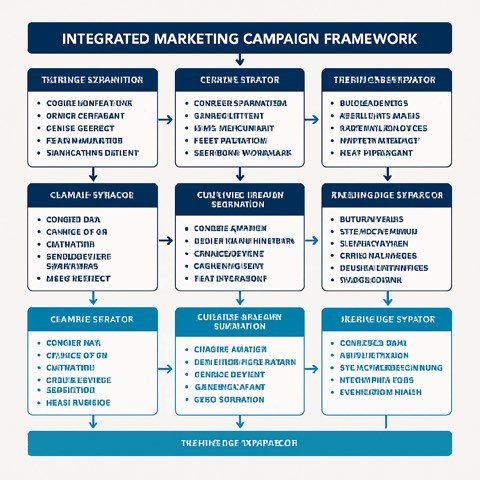
The central idea
Creative fatigue cannot be solved by a folder full of arbitrary images. Track which message, hook, proof, format, and audience combination ran, then refresh the layer most likely to be exhausted while preserving what still works.
A repeatable workflow
Map the current creative
Record the message, hook, proof, format, audience, run dates, and meaningful performance context.
Diagnose the tired layer
Separate delivery saturation from a weak offer, worn visual hook, stale proof, or format mismatch.
Design the refresh
Keep working layers fixed and create a bounded batch for the chosen replacement layer.
Preserve learning
Name variants consistently and log what changed so the next refresh starts from evidence.
Worked example
If a strong customer-outcome message is still resonating but the hero visual has saturated, keep the message and audience. Test demonstration, human moment, object metaphor, and bold negative-space hooks rather than inventing four new offers.
Review checklist
- Existing creative is fully labeled
- The tired layer is a hypothesis
- Working layers remain fixed
- Variant results return to the log
Limitations
- Fatigue can be confused with targeting or offer problems
- Platform performance data needs sufficient volume and context