Practical guide
How to Create an AI Moodboard That Makes Decisions, Not Just Vibes
Build a moodboard around palette, material, light, composition, cultural reference, and exclusions so it guides real creative decisions.
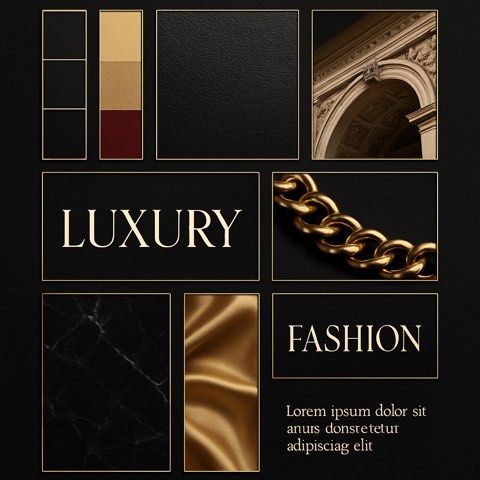
The central idea
A moodboard is useful when it defines a boundary. It should show what belongs, what does not, which decisions are settled, and which questions remain—not simply collect attractive images with a similar color.
A repeatable workflow
Name the decision
State whether the board guides campaign tone, brand territory, product styling, environment, or another specific choice.
Create evidence categories
Collect palette, material, light, composition, image behavior, typography cues, cultural references, and exclusions.
Build distinct boards
Give each direction a coherent rule set and remove images that could fit equally well everywhere.
Write the boundary
Summarize what the chosen board permits, avoids, and still needs to resolve before production.
Worked example
A wellness brand could compare Grounded Ritual, Clinical Calm, Sensory Escape, and Everyday Energy. Each board needs distinct material, light, framing, and human-presence rules; four beige collages are not four directions.
Review checklist
- The board answers one decision
- Evidence categories are complete
- Directions have strong boundaries
- Exclusions are written
Limitations
- Moodboards should not copy a living artist or brand
- A board guides production but does not replace a design system