Practical guide
Anatomy of an AI Image Prompt: Subject, Scene, Composition, Light, and Finish
Build clearer image prompts layer by layer and understand what each part contributes before adding more descriptive language.
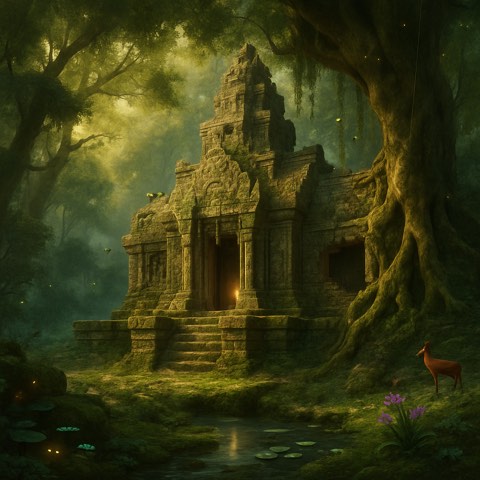
The central idea
A strong prompt gives the model a hierarchy. Start with the communication subject, then add scene, composition, light, material, and finish only when each layer changes a decision. More words are not automatically more control.
A repeatable workflow
Subject and action
Name the primary subject and what it is doing using concrete nouns and observable verbs.
Scene and context
Add only environmental details that explain the story, scale, or use case.
Composition and light
Describe framing, focal placement, camera distance, light direction, and contrast.
Material and finish
Finish with surface behavior, medium, texture, and restrained color treatment.
Worked example
Instead of “beautiful futuristic city, cinematic, amazing,” specify a cyclist crossing a rain-dark transit plaza at blue hour, wide low-angle frame, warm station light reflecting on stone, sparse commuters, restrained cyan and amber palette, and crisp editorial photography finish.
Review checklist
- The primary subject is unmistakable
- The scene supports the story
- Composition names focal placement
- Finish language is restrained
Limitations
- Contradictory layers can reduce adherence
- Model behavior still determines how instructions are interpreted